Institutional review peptide research is not only about the protocol. Many teams treat ethics approval as the finish line, then discover that the board wants to know where the compound came from, who verified it, and whether a specific vial can be traced back to a specific batch. A protocol that looks clean on paper can stall for weeks because the procurement file cannot answer those questions. This guide covers what ethics boards expect from research teams before they buy, what documentation supports that expectation in Canada, and where submissions usually break down.
Table of Contents
- Quick Takeaways
- What Ethics Boards Actually Review
- Research Compliance in Canada for Peptide Work
- Building a Procurement File the Board Will Accept
- COA Ethics Documentation: What Reviewers Look For
- Storage Logs, Samples, and Disposal Records
- Common Mistakes Research Teams Make
- Procurement Approaches Compared
- Frequently Asked Questions
- References
Quick Takeaways
| Key Insight | Explanation |
|---|---|
| Put procurement inside the protocol | Describe the source, stated purity, and handling of every investigational compound before the board reviews the study. |
| Ask for lot-level documentation | A certificate of analysis tied to a batch number is far easier to defend than a generic product sheet. |
| Expect extra questions for Retatrutide | Retatrutide is an investigational compound, so boards will look more closely at intended use, storage, and disposal. |
| Do not rely on a research-use label | Boards want to see your study design and intended use, not only a vendor disclaimer. |
| Keep chain of custody from receipt to disposal | Gaps in storage logs are one of the most common reasons boards send a file back for follow-up. |
| Qualify suppliers before the first order | A written supplier file with verification dates prevents weeks of back-and-forth after the compound has already arrived. |
What Ethics Boards Actually Review
An ethics board exists to decide whether a study is acceptable before anyone carries it out. The FDA's guidance on institutional review boards is a useful reference for how regulators frame that job, including the requirement under 21 CFR 56.111(a)(1) that the IRB assure risks to subjects are minimized. A widely cited review by C. Grady describes IRBs as charged with providing an independent evaluation that proposed research is ethically acceptable and with checking investigators' potential biases. Both ideas matter for procurement, because a board cannot judge risk from a compound it has never seen described.

The protocol section that sets the tone
In practice, the materials section of a protocol is where most procurement questions begin. Reviewers want the compound name, the supplier, the stated purity, the form it arrives in, and the intended experimental use. If the materials section says "peptide, sourced commercially," expect a query. A specific description signals that the team has thought about the material as carefully as the design.
Write the materials section as if the reviewer has never placed an order. Name the form, such as lyophilized powder, and state how it will be reconstituted. Say which reconstitution diluent you will use and where it is recorded. These details take ten minutes to write and can save a full review cycle.
Pro tip: Copy the exact product description from your supplier's documentation into the protocol, then add the lot number once it is assigned. Reviewers notice when the protocol and the paperwork match.
Where investigational compounds raise the bar
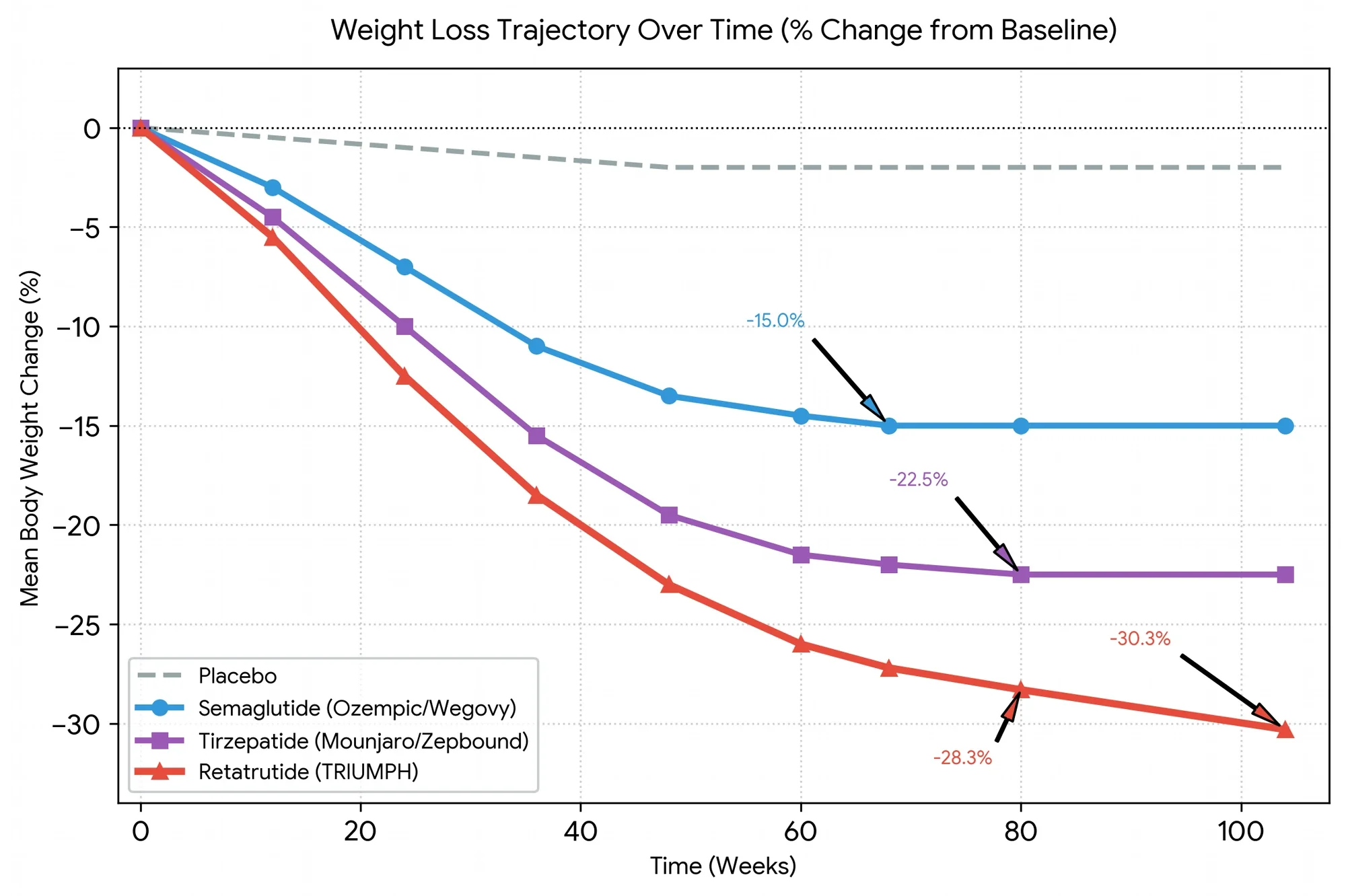
Retatrutide is an investigational compound, and that status changes how a board reads a request. Routine reagents are usually reviewed for handling and waste. Investigational compounds invite questions about why the material is needed, what the study will measure, and who has access to it. Teams that anticipate these questions in the initial submission tend to get conditional approvals rather than deferrals.
Research Compliance in Canada for Peptide Work
Canadian teams need to know which regulatory pathway their work falls under before they talk to a board about peptides. Health Canada's guidance on peptides notes that drugs used in an authorized clinical trial must follow the dedicated regulatory pathway under Part C, Division 5 of the Food and Drug Regulations. A laboratory study with no human participants is a different situation, but boards will still ask you to state which category your work belongs to. Getting that answer wrong is a faster route to a deferral than most teams expect.
Health Canada's clinical trial pathway
If your study involves a drug that is part of an authorized clinical trial, the trial falls under a specific regulatory structure. Your board will ask whether you are operating under an authorized trial, conducting laboratory research only, or doing something between those two. Your answer should match the study's documentation exactly. A mismatch between the protocol, the sponsor letter, and the procurement file is a common cause of follow-up requests.
Keep a one-page regulatory summary in the procurement folder. It should state the study category, the governing framework, and the name of the person responsible for compliance questions. Boards respond well to a single document that answers the first three questions they will ask.
Canadian-specific submission questions
WCG's guide to special considerations for Canadian research notes that boards ask for specific information about biological samples and genetic research so that they can avoid conditional approvals or deferrals. That principle applies to peptide work too. If your study generates biological material, or if it touches on genetic analysis, state that clearly in the submission. Leaving it implicit forces the board to ask, and each question adds time.
Research-use-only labeling describes the supplier's view of intended use. It does not replace your own statement of intended use, which belongs in the protocol. Boards look for the study's purpose, not a disclaimer printed on the vial.
Building a Procurement File the Board Will Accept
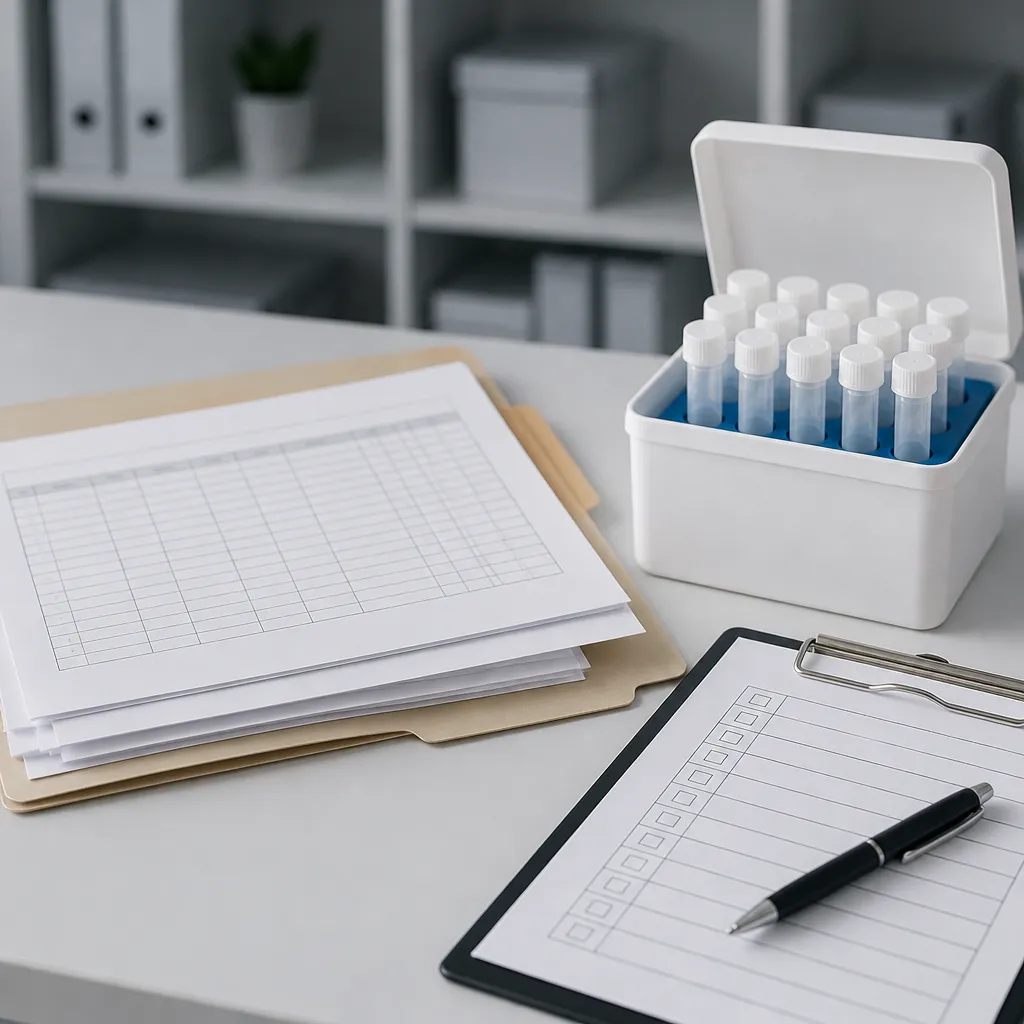
A procurement file is the set of records that shows how a compound moved from a supplier into your lab and how it was used. Most boards do not require a particular template, but they do expect the file to be complete and internally consistent. In practice, a complete file lets a reviewer trace one vial from the order confirmation to the experiment without making a phone call. Pepura Labs supplies lyophilized Retatrutide compounds with stated purity of 99% or higher, independent verification by Canadian laboratories, Chain of Custody documentation, and batch traceability, which means the file you hand a board can name a lot rather than a product line. You can review the company's offering at Pepura Labs.
Supplier qualification
Qualify your supplier before the first order and keep the qualification in writing. The record should name the supplier, the products you intend to purchase, the verification documents you requested, and the date you reviewed them. Re-review the file when the product changes or when the supplier updates its documentation. A qualification that was done once in 2019 and never revisited will not satisfy a careful reviewer.
Ask potential suppliers for lot-specific certificates of analysis, a description of the verification method, and their chain of custody procedure. A supplier that cannot answer these questions in writing is telling you something about the file you will be asked to defend.
Chain of custody and batch records
Chain of custody is the paper trail from the supplier to your bench. For a board, the important parts are the receipt date, the person who accepted the shipment, the storage location on arrival, and any transfers between labs or staff. Keep these entries in a single location rather than spreading them across emails and personal notebooks. Batch numbers should appear on every record that touches the material, from the order form to the aliquot log.
COA Ethics Documentation: What Reviewers Look For
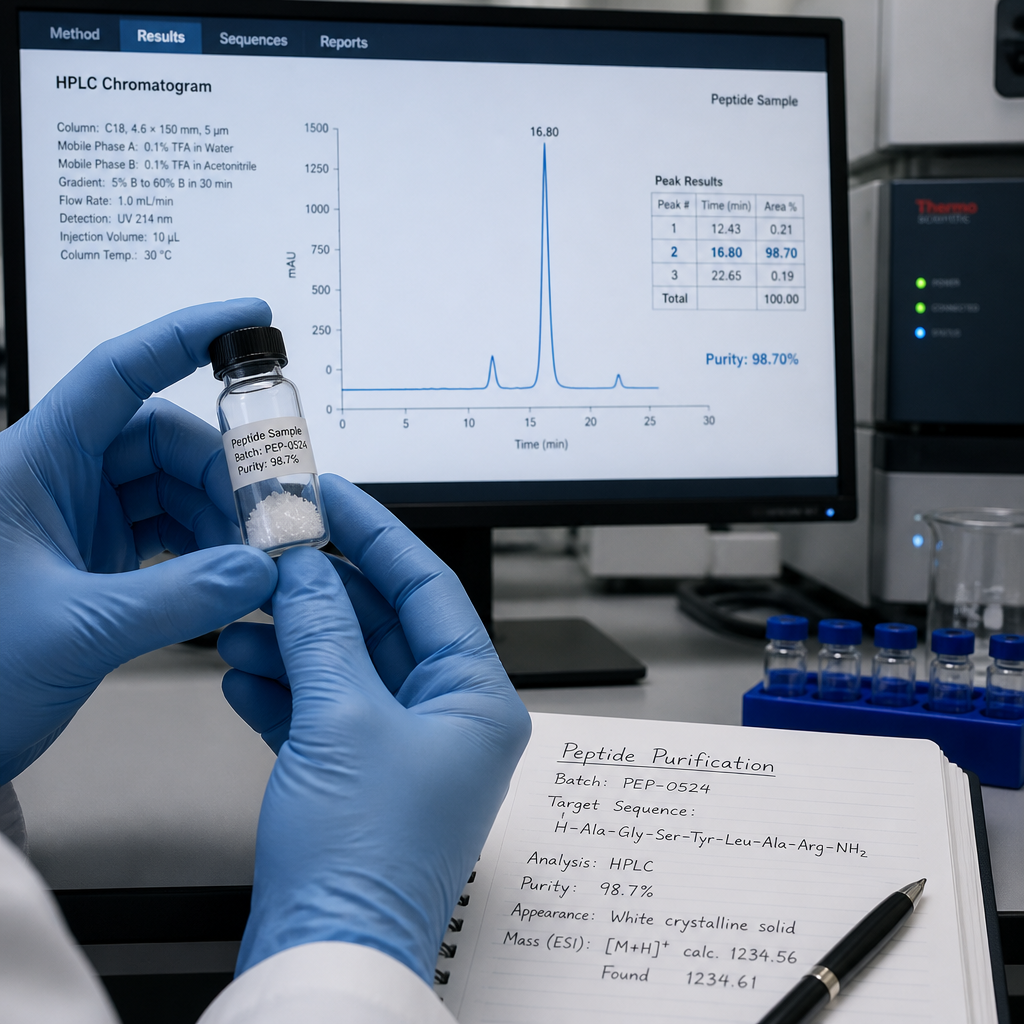
A certificate of analysis is the most direct evidence you can offer that a compound is what your protocol says it is. For ethics purposes, the COA is not a marketing sheet. It is a record that connects a specific lot to a specific analytical result, and reviewers use it to judge whether the material is appropriate for the study described. Teams often file COAs but never check whether the lot on the certificate matches the lot in the freezer.
Identity, purity, and lot number
A useful COA names the compound, lists the lot or batch number, reports the analytical method used to assess purity, and shows the result for that lot. Retatrutide compounds sold by Pepura Labs are listed at 99% or higher purity, and the certificate for each batch should let you confirm that figure against the specific lot you received. Compare the lot number on the certificate with the label on the vial before you file it, and note the check in your records.
Reviewers also look at the date of analysis. A certificate that predates the manufacture of your lot, or that cannot be linked to a lot at all, creates doubt about what was tested. If the document does not identify the batch, treat it as incomplete regardless of how professional it looks.
Where COAs fall short
The most common weakness is a generic product certificate that covers a product line rather than a batch. A second weakness is a COA that reports results without identifying the laboratory that performed the analysis. Boards generally want to know who tested the material and whether that testing was independent of the seller. Ask your supplier to confirm both points in writing before you rely on the document.
An ethics board can only evaluate the material it can see. If the procurement file contains a receipt and a generic product sheet, the protocol is only as defensible as the paperwork behind it.
Storage Logs, Samples, and Disposal Records
Storage and disposal are where many otherwise strong procurement files lose credibility. A board that has approved a study wants to know that the approved material is still the material being used, stored under the conditions described, and disposed of according to institutional rules. These records are rarely the focus of the original submission, but they are the first thing an audit or a continuing review asks about.
Storage logs that match the inventory
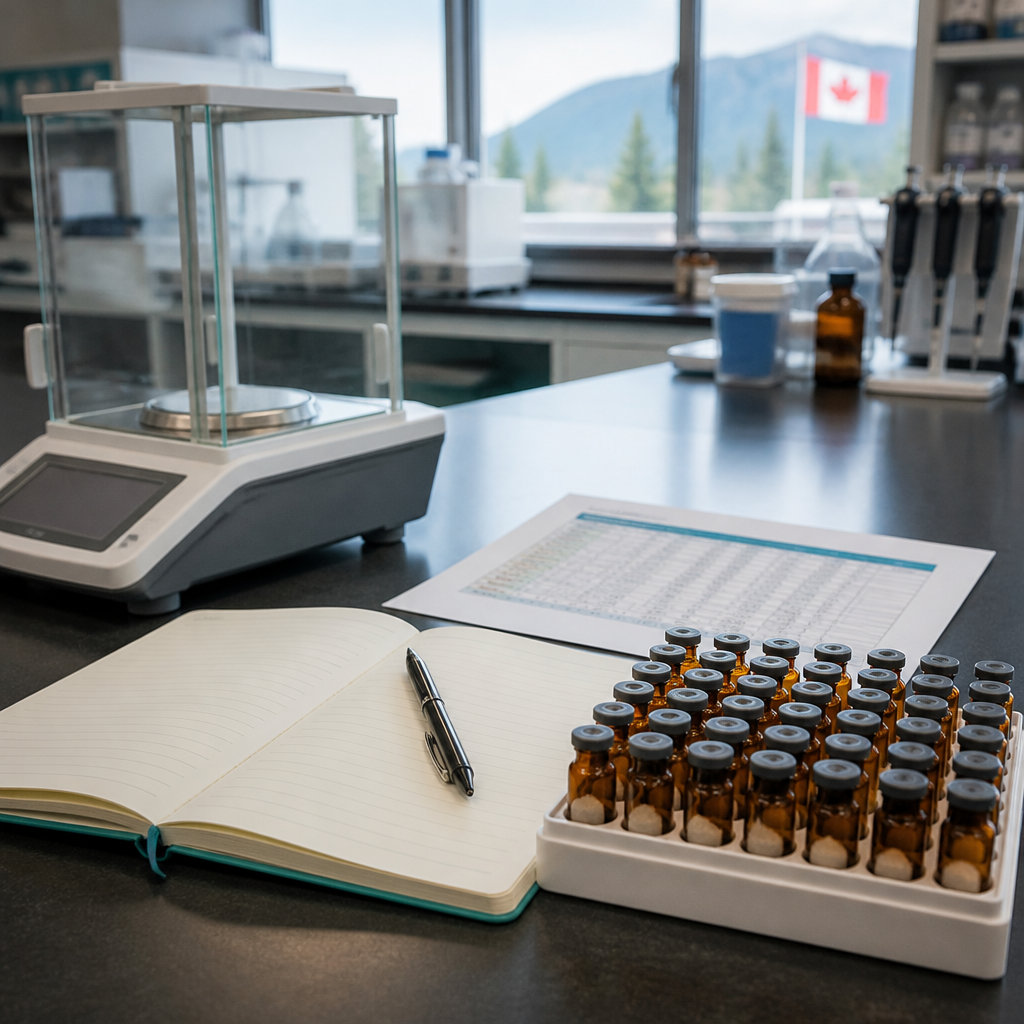
Your storage log should reconcile with your inventory count. If the log says twelve aliquots were prepared and the freezer holds nine, the gap needs an explanation, such as a documented use in an experiment. Record the storage temperature, the location, and the person responsible for each unit. Reconciling the log monthly catches errors while they are still easy to explain.
Label each aliquot with the compound name, lot number, preparation date, and concentration if applicable. Unlabeled or partially labeled vials are the single most frequent problem we hear about from research teams trying to rebuild a file after the fact.
Disposal and residual material
Disposal records should show what was discarded, when, by whom, and under which institutional procedure. Residual material from an approved study is still part of that study's record. Teams that dispose of leftover material without a log entry often find that the board asks for it during a later review. Write the disposal entry on the same day the material leaves your inventory.
Common Mistakes Research Teams Make
Most procurement problems that reach a board are not caused by bad science. They come from sequencing errors, unclear records, and assumptions about what the board will accept. The mistakes below appear repeatedly in files that get sent back for revision, and they are all avoidable with a short internal checklist.
Ordering before the board signs off
Placing an order before the protocol is approved is the fastest way to create a problem. Even if the material is ultimately appropriate, a board may question why it was acquired before approval, and the timing can make the whole study look rushed. Hold orders for investigational compounds until the materials section is final and the regulatory summary has been reviewed.
If a project timeline makes this difficult, ask your board whether a pre-submission consultation is available. Many boards will give informal feedback on materials before a full submission, which can shorten the review.
Using a vendor disclaimer as your ethics argument
A common error is to write something like "for research use only" in the materials section and consider the matter settled. The disclaimer describes how the supplier intends the product to be used. It does not describe what your study will do with it. Replace the disclaimer with a specific statement of intended use, including the experimental system, the measurements you will take, and the controls you will run.
Pro tip: Before submitting, ask a colleague outside the project to read the materials section and the procurement summary. If they cannot explain the study's purpose and the source of the compound after one reading, the board probably will not either.
Procurement Approaches Compared
Research teams usually fall into one of three procurement patterns. Each can work, but they produce very different files, and the differences show up quickly when a board asks for documentation. The table below compares the three approaches from the reviewer's point of view, which is the view that determines whether a submission moves forward.
| Approach | What the Board Sees | Where It Breaks Down |
|---|---|---|
| Lot-specific supplier with full documentation on file | A traceable path from order to bench, with COAs tied to batch numbers and a written supplier qualification. | Requires upfront effort to set up the file, and the team must keep the records current after each order. |
| Ad hoc ordering through general lab purchasing | Purchase orders with little product detail, and no clear link between the compound and the approved protocol. | Reviewers cannot confirm the material matches the study, so follow-up questions are almost guaranteed. |
| Pre-approved supplier list with annual requalification | A controlled supplier process, with documented reviews and a clear owner for each supplier record. | Stale files are common. If the list is not updated when documentation changes, the approval loses its value. |
In practice, the first approach is the most defensible for investigational compounds, because it answers the questions a board is most likely to ask without additional correspondence. The third approach works well for institutions with many projects, provided the requalification schedule is actually followed. The second approach is the one most likely to produce a deferral.
Frequently Asked Questions
Does an ethics board need a COA for every research peptide?
Boards generally expect enough documentation to trace each compound to its source and lot. In practice, that means a certificate of analysis tied to the specific batch used in the study. A generic product sheet is rarely enough for an investigational compound.
Do I need ethics approval before buying research peptides in Canada?
The answer depends on your study design and your institution's rules, so check with your research office before ordering. Some institutions require a procurement review for investigational compounds even when no human participants are involved. Confirm the requirement early rather than after the material arrives.
How is an in vitro study reviewed differently from a study with human participants?
Studies that do not involve human or animal subjects are often handled by a different committee or by a less intensive review process. That does not remove the need for procurement records. Chemical safety and institutional compound tracking rules still apply, and the board or committee may still ask for documentation.
What should a supplier file include?
A supplier file should include the supplier's name, the products you intend to buy, the lot-specific certificates of analysis you requested, a description of the verification method, the chain of custody procedure, and the date of your most recent review. Update the file whenever the supplier's documentation changes.
What if a supplier cannot provide a lot-specific COA?
Do not place the order until you have resolved the gap. A missing lot-specific certificate is one of the most common reasons a procurement file is challenged, and it is far easier to change suppliers or pause a purchase than to explain an undocumented compound to a board after the fact.
Have you had a procurement question pushed back by your ethics board, and how did you resolve it?