
Most procurement failures in research peptide sourcing do not happen at the order stage. They happen weeks earlier, when a team skips the documentation audit and places an order based on a polished website and a low unit price. By the time a batch arrives with a recycled certificate of analysis, a missing lot number, or purity data that does not hold up under scrutiny, the timeline damage is already done. A rigorous peptide supplier evaluation framework protects experimental integrity before a single vial is shipped. This guide walks through exactly how to build that framework, covering the six pillars every research procurement team should apply before approving any supplier, with specific attention to the Canadian research context.
Table of Contents
- Quick Takeaways
- Why Supplier Credibility Is a Scientific Problem, Not Just a Procurement One
- Pillar One: Reading and Verifying the Certificate of Analysis
- Pillar Two: Batch Traceability and Chain of Custody
- Pillar Three: Independent Laboratory Verification
- Pillar Four: Manufacturing Transparency and Formulation Standards
- Pillar Five: Shipping, Cold Chain, and Handling
- Supplier Documentation Tiers: A Comparison
- Red Flags That Should Disqualify a Supplier Immediately
- The Canadian Regulatory Context for Research Compound Procurement
- Frequently Asked Questions
- References
Quick Takeaways
| Key Insight | Explanation |
|---|---|
| Lot-specific COAs are non-negotiable | A certificate of analysis must reference the exact batch number of the vial you are receiving. Generic or template COAs shared across products provide no meaningful quality assurance. |
| HPLC plus mass spectrometry is the minimum analytical standard | HPLC confirms purity by separation; mass spectrometry confirms molecular identity. A supplier offering only one of these provides incomplete evidence for research-grade use. |
| Independent Canadian laboratory verification matters | In-house testing is subject to conflict of interest. Third-party verification by a named, accredited Canadian lab provides an objective quality signal that in-house results cannot replicate. |
| Chain of Custody documentation protects your data integrity | Full Chain of Custody records allow a procurement team to trace any vial from synthesis through testing through delivery, which is essential for audit compliance and reproducibility. |
| Price comparison must include documentation costs | The time required to chase missing documentation, investigate lot discrepancies, or repeat assays due to input failures can far exceed any upfront savings from a cheaper supplier. |
| Research-use-only positioning signals regulatory awareness | A credible supplier makes research-use-only restrictions explicit sitewide, not buried. Suppliers marketing compounds for human use are a liability, not a bargain. |
| Lyophilization and storage conditions affect compound viability | Lyophilized peptides are more stable for shipping and long-term storage than reconstituted solutions. Confirm the supplier's formulation and cold-chain protocol before ordering complex compounds such as Retatrutide. |
Why Supplier Credibility Is a Scientific Problem, Not Just a Procurement One
Research peptides are unregulated at the point of sale in most jurisdictions. No agency pre-approves the vial sitting in your receiving area. That means the only quality control standing between your assay and a mislabeled or low-purity compound is the supplier's documentation and your team's willingness to scrutinize it.
This is not a pessimistic framing. It is a practical one. The skills required to evaluate a research compound supplier in Canada are the same procurement habits that contract research organizations and university QC teams have applied to chemical reagents for decades. The difference with research peptides is that the market has fewer standardized reporting norms, so the burden of verification falls more squarely on the buyer.
For compounds like Retatrutide, a synthetic 39-amino acid triple receptor agonist targeting GLP-1, GIP, and glucagon receptors, purity and identity verification are especially important. Even minor sequence errors or impurity profiles can distort in vitro results in ways that do not surface immediately but corrupt downstream data. A supplier evaluation framework is not bureaucratic overhead. It is experimental design.

Pillar One: Reading and Verifying the Certificate of Analysis
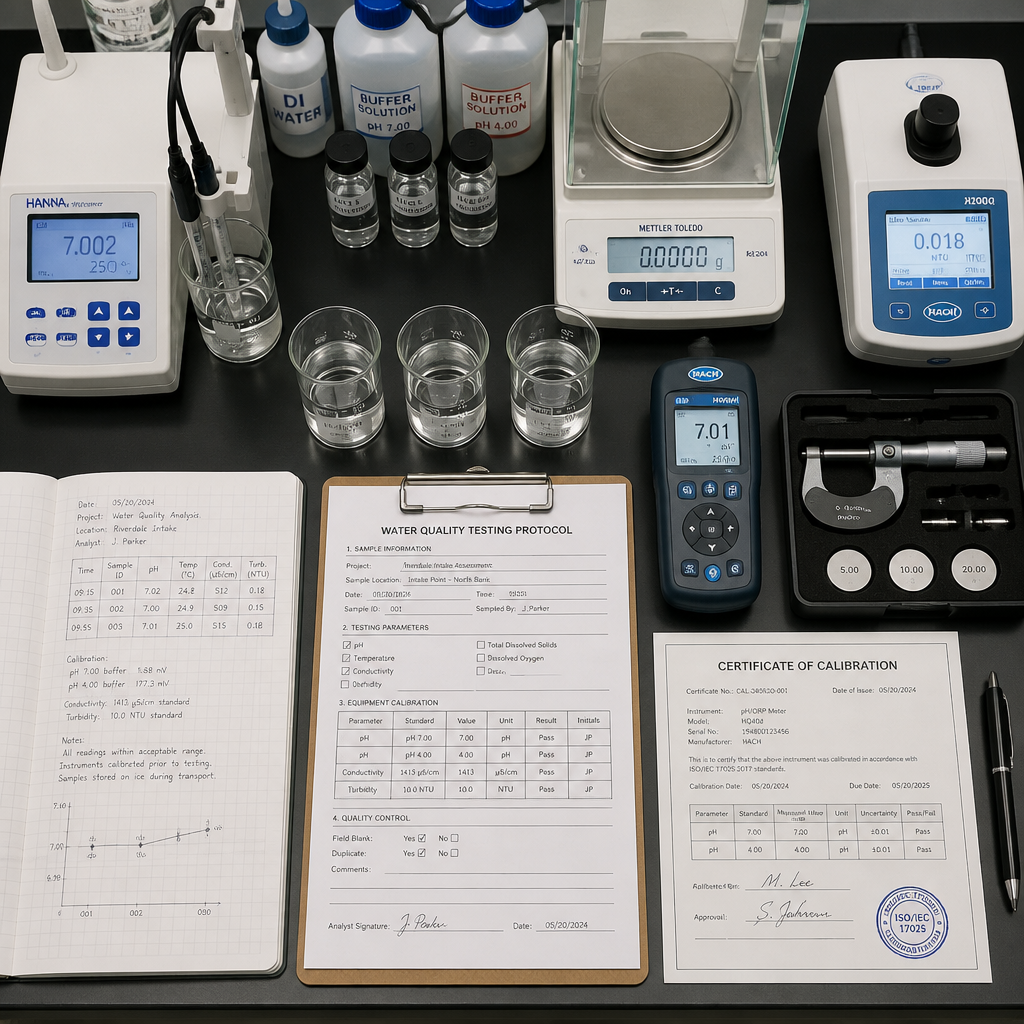
The certificate of analysis (COA) is the foundational document in any peptide supplier evaluation. A strong COA includes the batch or lot number matching the specific vial, the name of the testing laboratory, the test date, the analytical method used (HPLC, mass spectrometry, or both), a numerical purity figure, and identity confirmation data. If any of these elements are missing, the document has limited evidentiary value for your research records.
What a Real COA Looks Like Versus a Template One
Template COAs are a widespread problem in the research peptide market. They are formatted identically across multiple products, sometimes with only the compound name changed, and provide no real evidence about the specific material in a given batch. A real COA will show a chromatogram, not just a purity percentage, and the retention times and peak profiles will be specific to the compound being tested.
When you receive a vial, open the COA and match the batch number on the document to the batch number on the vial label. If those numbers do not correspond, contact the supplier before proceeding. This is not an unusual request. A credible supplier will have that documentation accessible and will provide it without friction.
Pro tip: Ask the supplier directly: "Is this COA specific to the current production lot, and which laboratory performed the analysis?" The speed and specificity of the answer tells you more about documentation culture than any marketing claim on the website.
HPLC and Mass Spectrometry as the Minimum Standard
High-Performance Liquid Chromatography (HPLC) confirms purity by separating the target peptide from impurities. Look for one clear, dominant peak with purity stated explicitly as a percentage. Mass spectrometry confirms molecular identity by verifying molecular weight against the expected value for the compound. Together, they provide complementary evidence: purity of the preparation and identity of the molecule. Suppliers offering only one method are providing incomplete analytical coverage.
Pillar Two: Batch Traceability and Chain of Custody
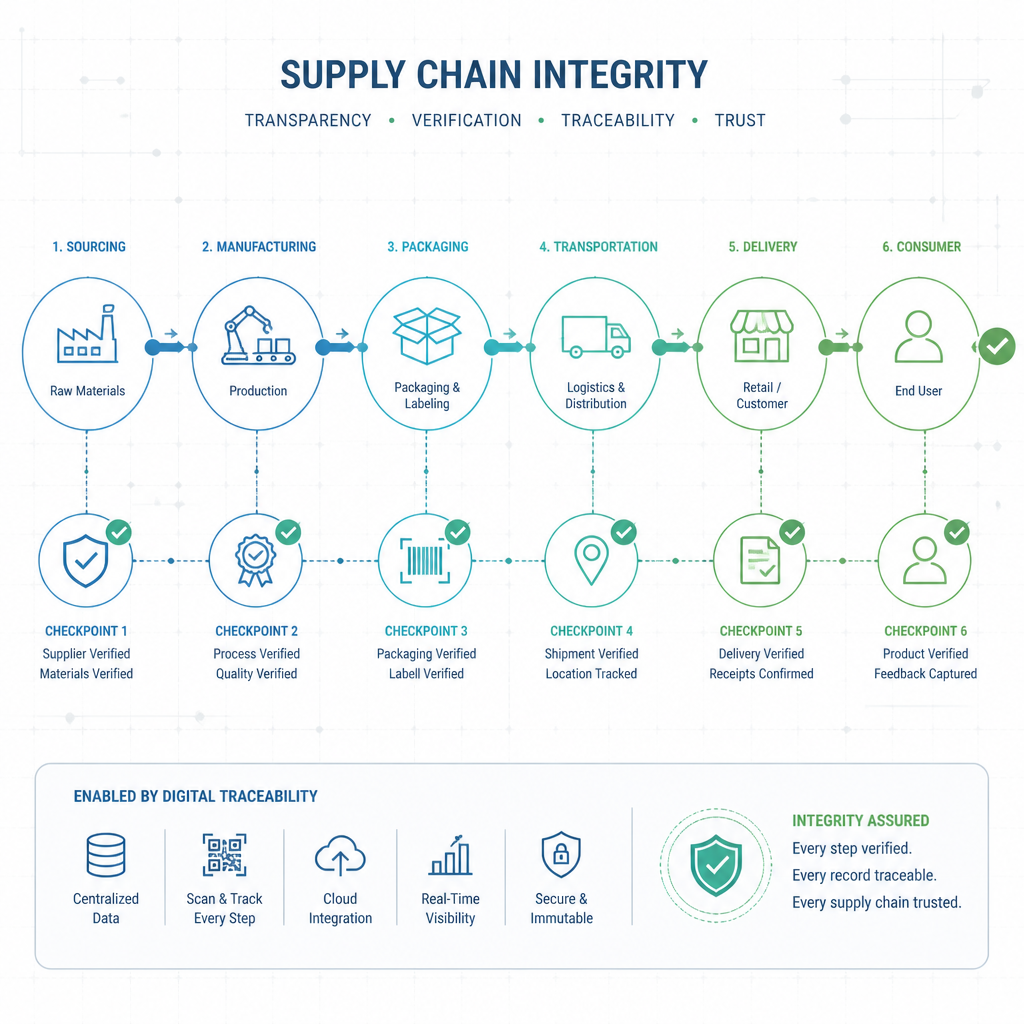
Batch traceability means the ability to trace any individual vial back through the supply chain to its synthesis batch, the raw materials used, and the testing events that occurred at each stage. Chain of Custody documentation is the formal record that makes that trace possible.
This matters for two reasons. First, for reproducibility: if your results need to be replicated or defended, your procurement records need to show exactly what material was used. Second, for contamination investigation: if a batch produces anomalous results, you need to be able to determine whether the problem originated with the compound, the synthesis batch, or your handling.
A supplier that cannot provide lot-specific documentation for every product in its catalog is not equipped to support serious research procurement. That is a structural limitation, not a temporary one.
Pro tip: Maintain an internal log that records the supplier, lot number, COA date, testing laboratory name, and delivery date for every compound you receive. This takes minutes per order and creates an audit trail that protects both your research and your institution.
Pillar Three: Independent Laboratory Verification
In-house testing performed by the same company that synthesized the compound has a fundamental conflict of interest. It is not necessarily fraudulent, but it is structurally weaker than third-party verification. Independent laboratory testing, performed by a named and accredited facility with no financial relationship to the supplier, provides an objective quality signal that internal testing cannot replicate.
When evaluating a supplier, ask which specific laboratory performed the third-party testing and whether that laboratory is identifiable and verifiable. A supplier that names a real, traceable testing facility is making a claim that can be checked. A supplier that references "independent testing" without naming the laboratory is making a claim that cannot.
For Canadian research procurement specifically, independent verification by a named Canadian laboratory adds an additional layer of accountability. It means the testing occurred under Canadian laboratory standards and that the records are subject to Canadian oversight frameworks. This distinction matters for institutions operating under Canadian research compliance requirements.
Testing tells you about what was tested. It does not automatically certify every future batch a company will ever sell. One lot-specific verified COA is evidence. A blanket claim of "third-party tested" without documentation is marketing.
Pillar Four: Manufacturing Transparency and Formulation Standards
A credible supplier can describe, in concrete terms, how their compounds are synthesized, what purity threshold they require before release, and what happens to batches that fail QC. Vague answers or answers that restate marketing language are a red flag. Specific answers, even if they do not include proprietary synthesis details, indicate that the supplier has actual quality control processes rather than quality control claims.
Lyophilized Formulation as the Research Standard
For complex peptides used in in vitro research, lyophilized (freeze-dried) powder formulation is the appropriate standard. Lyophilized peptides are significantly more stable for shipping and long-term storage than pre-reconstituted solutions. They are less susceptible to degradation during transit temperature fluctuations, and they allow the researcher to control reconstitution conditions precisely. A supplier shipping complex peptides such as Retatrutide in pre-reconstituted form should prompt questions about stability data and handling rationale.
Purity Thresholds and What They Actually Mean
Research-grade peptides used for in vitro applications should meet a minimum purity of 98 to 99 percent or higher, verified by HPLC. For compounds where impurity profiles could meaningfully affect receptor binding assays or metabolic pathway studies, higher purity thresholds reduce experimental noise. Suppliers that list purity as "greater than 95 percent" without specifying the analytical method or providing chromatographic data are not meeting research-grade standards.
Pillar Five: Shipping, Cold Chain, and Handling
Peptide stability during transit is a real scientific concern, not a logistical afterthought. Even lyophilized peptides can degrade if exposed to prolonged heat or moisture during shipping. A supplier's shipping protocol, including packaging materials, insulation, and transit time expectations, is part of the quality assurance picture.
For Canadian researchers, domestic shipping from a Canadian supplier eliminates customs delays and the temperature variability introduced by cross-border transit. It also reduces the legal ambiguity that can arise when research chemicals cross international borders. Rapid domestic delivery, such as Canada Post Xpresspost, means the compound spends less time in transit and arrives in conditions closer to how it left the supplier's storage facility.
Ask the supplier directly about their cold-chain protocol for the specific compound you are ordering. Compounds with different stability profiles may warrant different shipping approaches. A supplier with a consistent, documented cold-chain process will answer this question without hesitation.
Supplier Documentation Tiers: A Comparison
Not all suppliers operate at the same documentation standard. The following table describes three documentation tiers commonly encountered in the research peptide market, independent of any specific supplier name.
| Documentation Tier | What Is Provided | Suitability for Research Procurement |
|---|---|---|
| Tier 1: Full Research-Grade Documentation | Lot-specific COA with HPLC chromatogram and mass spectrometry data, named independent testing laboratory, full Chain of Custody records, batch traceability from synthesis through delivery, explicit research-use-only labeling. | Suitable for institutional research, auditable procurement records, and reproducibility-dependent studies. This is the standard a serious procurement team should require. |
| Tier 2: Partial Documentation | COA provided but lacking chromatogram data or lot-specific identification, testing laboratory named but not independently verifiable, purity stated without supporting analytical data, shipping protocols undisclosed. | May be acceptable for low-stakes screening applications but introduces documentation gaps that cannot be closed retroactively. Acceptable only with additional verification steps. |
| Tier 3: Marketing-Grade Documentation | Purity claims without method disclosure, template COAs reused across batches or products, no named testing laboratory, no lot numbers on product listings, or "third-party tested" claims without supporting documentation. | Not suitable for research procurement. Compounds sourced from Tier 3 suppliers cannot be documented in institutional research records with confidence. The risk of result contamination or data invalidation is unacceptably high. |
Red Flags That Should Disqualify a Supplier Immediately
Some supplier behaviors are not reasons to negotiate harder. They are reasons to stop the procurement process entirely. The following patterns, when observed, indicate structural quality control failures that documentation requests alone cannot remedy.
Missing batch numbers on COAs or product listings is the most common disqualifying red flag. If a supplier cannot connect a document to a specific production lot, there is no meaningful evidence that the document relates to the material you are receiving. Purity figures without chromatograms are similarly disqualifying: a number without the supporting data that produced it is a claim, not evidence.
Suppliers marketing compounds for human use should be avoided entirely, regardless of their documentation quality. In Canada, research peptides such as Retatrutide carry no Drug Identification Number (DIN) and are not approved as drugs. A supplier that markets them for human use is either unaware of or disregarding the regulatory framework that defines research-use-only compounds. That is a compliance liability that extends to your institution the moment you place an order.
Other patterns worth noting: an inability to name the laboratory that performed testing, response times to documentation requests measured in days rather than hours, and pricing significantly below market rates without any explanation. Unusually low pricing in the research peptide market is almost always explained by reduced synthesis quality, lower purity thresholds, or absent documentation processes. There is no shortcut to producing 99 percent purity verified peptides with full Chain of Custody records. The cost of doing it properly is real.
The Canadian Regulatory Context for Research Compound Procurement
For most standard research peptides used strictly as laboratory reagents, no special license is required to purchase them in Canada. They are treated like other research chemicals rather than controlled drugs, which are subject to separate authorization requirements. This is a meaningful distinction for procurement teams who may be uncertain about the regulatory category of compounds they are sourcing.
Newer compounds under active investigation, including Retatrutide, are available from Canadian suppliers strictly as research chemicals for laboratory study. They are not approved drugs in Canada and carry no DIN. This means they must be verified by COA, handled exclusively within a laboratory context, and documented as research reagents. The procurement record should reflect that classification clearly.
Working with a supplier that is physically located in Canada, holds verifiable business documentation, and uses named Canadian testing laboratories provides an additional layer of institutional confidence. It also simplifies procurement for Canadian researchers who require domestic supply chains for compliance, speed, or institutional purchasing policy reasons. When evaluating any supplier claiming to serve the Canadian research compound market, confirm their physical presence, their testing partnerships, and their ability to provide documentation that meets Canadian laboratory standards.
Pepura Labs operates from Canada, supplies Retatrutide and other compounds in lyophilized form with 99 percent or higher purity, and provides Chain of Custody documentation verified by named Canadian laboratories. For procurement teams comparing supplier documentation standards, those specifics are directly verifiable against the framework above, rather than taken on marketing claims alone. You can review the full compound catalog and documentation approach at pepuralabs.ca/shop.
Frequently Asked Questions
What is the minimum documentation a research peptide supplier should provide for every order?
At minimum, a supplier should provide a lot-specific Certificate of Analysis that includes the batch number matching the vial, the name of the testing laboratory, the test date, a numerical purity figure determined by HPLC, and identity confirmation by mass spectrometry. Full Chain of Custody records linking that batch from synthesis through delivery are the standard for research-grade procurement and should be requested for any compound used in publishable or auditable research.
How do I verify that a COA from a Canadian peptide supplier is genuine and not a template document?
Compare the batch number on the COA to the batch number printed on the vial label. Review the chromatogram image if one is included: a genuine HPLC chromatogram shows specific retention times and peak profiles unique to that compound and run. A template COA often has a generic or identical format across different products with only the compound name changed. You can also contact the named testing laboratory directly to confirm that the analysis on record matches the document you received.
Is it legal to buy research peptides like Retatrutide in Canada without a special license?
For laboratory research purposes, most research peptides are treated as research chemicals in Canada rather than controlled drugs, and no special license is required for their purchase. Retatrutide is an investigational compound with no approved drug status in Canada and carries no Drug Identification Number. It must be purchased from a research-use-only supplier, used strictly within a laboratory context, and documented as a research reagent. Institutions should confirm this classification with their compliance office, since specific requirements can vary by institution and research context.
What does "independent laboratory verification" actually mean in the context of peptide supplier evaluation?
Independent laboratory verification means the analytical testing was performed by a facility that has no financial or organizational relationship with the supplier. The testing laboratory should be named, identifiable, and verifiable. Independent verification is meaningfully different from in-house testing, which, regardless of its technical quality, is subject to a conflict of interest because the same entity that profits from selling the compound is certifying its quality. For Canadian research procurement, independent verification by a named Canadian laboratory also means the testing occurred under Canadian standards and oversight frameworks.
Why does lyophilized formulation matter for shipping complex research peptides?
Lyophilized, or freeze-dried, peptide powder is significantly more stable during shipping and long-term storage than a pre-reconstituted solution. Complex peptides are susceptible to degradation from heat, moisture, and freeze-thaw cycling. Lyophilized formulation removes most of the moisture from the compound, reducing its sensitivity to temperature fluctuations during transit. This is especially relevant for structurally complex compounds like Retatrutide, where maintaining molecular integrity through the supply chain is a prerequisite for valid in vitro results.
How should a procurement team handle a supplier that refuses to name its testing laboratory?
Treat this as a disqualifying response. A supplier that will not name its testing laboratory is making a claim of independent verification that cannot be checked. In practice, this usually means the testing was performed in-house, was not performed at a standard that the laboratory would stand behind publicly, or the documentation practice is not genuinely lot-specific. Request the information in writing. If it is not provided within a reasonable timeframe, proceed with an alternative supplier whose documentation is fully transparent.
What documentation criteria has your research team found most difficult to get suppliers to provide? Share your experience so procurement teams across the research community can build stronger evaluation standards.
References
- Research peptide vendor evaluation checklist covering batch testing, COAs, and Canadian laboratory procurement criteria
- Canadian legal framework for research peptides and supplier evaluation criteria for laboratory procurement teams
- Practical six-pillar guide to evaluating research peptide suppliers covering COA standards, batch traceability, and independent testing
- Supplier red flags in research peptide procurement: missing batch data, purity language issues, and documentation gaps