
When nearly half of participants on a single pharmacological agent cross the 30% body weight loss threshold, that number demands serious analytical attention. The TRIUMPH-1 weight loss subgroup figure of 45.3% is not a headline statistic inflated by favorable framing. It comes from a prespecified endpoint in a Phase 3 randomized controlled trial, measured at 80 weeks, in 2,339 adults. For researchers studying metabolic intervention, energy homeostasis, and receptor pharmacology, what this number represents mechanistically is as important as what it represents clinically. This analysis breaks down the data structure behind that 45.3%, what distinguishes it from earlier pharmacological benchmarks, and why the comparison to bariatric outcomes is both scientifically legitimate and carefully limited.
Table of Contents
- Quick Takeaways
- What the 45.3% Figure Actually Measures
- TRIUMPH-1 Trial Design and the Subgroup Context
- The Bariatric Surgery Comparison: Where It Holds and Where It Breaks Down
- Cardiometabolic Outcomes Beyond the Scale
- Dose-Response and Discontinuation Tradeoffs
- Comparing Retatrutide Dose Cohorts in TRIUMPH-1
- Implications for In Vitro Research on Triple Receptor Agonism
- Frequently Asked Questions
- References
Quick Takeaways
| Key Insight | Explanation |
|---|---|
| 45.3% is a subgroup rate, not a mean | 45.3% of participants in the 12 mg cohort achieved 30% or greater body weight reduction at 80 weeks. The mean for the same cohort was 28.3% (70.3 lbs). |
| The 30% threshold matters because of surgical benchmarks | A 30% or greater total body weight loss has historically been associated with bariatric surgical outcomes, making pharmacological attainment of this threshold clinically significant. |
| 65.3% of 12 mg participants achieved BMI below 30 | This reflects a reclassification out of the obesity BMI range, a secondary endpoint that compounds the significance of the weight loss data. |
| Extension data showed no plateau at 80 weeks | Participants with baseline BMI of 35 or above who continued in a blinded extension reached 30.3% mean weight loss (85.0 lbs) by week 104, indicating continued efficacy without observed ceiling effect. |
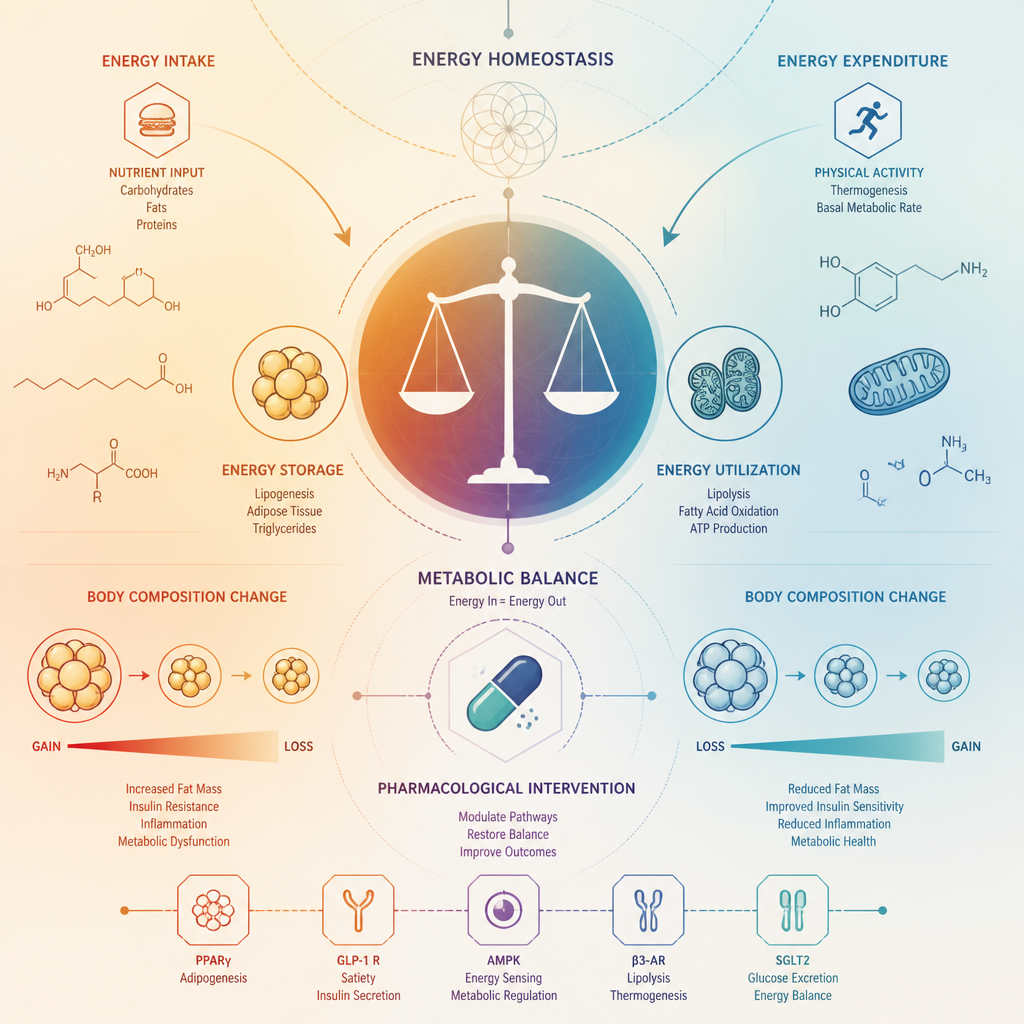
| The triple receptor mechanism is central to the depth of loss | Retatrutide activates GIP, GLP-1, and glucagon receptors simultaneously. The glucagon component drives energy expenditure, which distinguishes this mechanism from dual-agonist predecessors. |
| Placebo arm data grounds the treatment effect | Placebo participants lost an average of 2.2% body weight at 80 weeks, establishing the net pharmacological effect of the 12 mg dose at roughly 26 percentage points. |
| Discontinuation rate at 12 mg was 11.3% | Adverse events drove discontinuation in 11.3% of the 12 mg group versus 4.9% in the placebo group, mostly GI effects, which is the principal safety tradeoff at the highest dose. |
Understanding the 45.3% figure requires separating it from the mean weight loss statistic that dominates most coverage. The mean and the subgroup proportion answer different research questions. The mean tells you what to expect on average across the treated population. The subgroup proportion tells you how many individuals crossed a clinically defined threshold. Both matter, but for research scientists modeling intervention response distributions, the subgroup data is often more informative.


What the 45.3% Figure Actually Measures
45.3% is a responder rate, not a mean outcome. It represents the proportion of participants in the retatrutide 12 mg arm of TRIUMPH-1 who achieved a total body weight reduction of 30% or more from baseline, measured at week 80 of the trial. This is a prespecified endpoint in the trial, not a post-hoc carve-out selected because it looked favorable.
The distinction between a responder rate and a mean matters significantly in preclinical and translational research contexts. A mean of 28.3% weight loss could theoretically be achieved by a cohort where most participants lose around 28% and few lose dramatically more or less. A responder rate of 45.3% at the 30% threshold, combined with a mean of 28.3%, tells you the distribution is skewed toward higher responders. The right tail of the response curve in this trial extends well past the group average.
Why 30% Was Chosen as the Threshold
The 30% total body weight loss figure is not arbitrary. It has been used in bariatric surgery literature as a benchmark for outcomes associated with procedures like Roux-en-Y gastric bypass, where meaningful metabolic remission becomes more likely. Using that same threshold in a pharmacological trial creates a direct comparability framework between surgical and non-surgical interventions. When 45.3% of participants on a pharmacological agent cross that threshold, the implication for treatment paradigms is significant, provided the underlying mechanisms and durability data hold up under scrutiny.
The trial enrolled adults with obesity or overweight and at least one weight-related comorbidity, without type 2 diabetes. The baseline mean BMI was 40.0 kg/m2 for the full cohort. That population profile is directly relevant for metabolic research focused on adipose tissue biology and receptor-mediated energy regulation.
TRIUMPH-1 Trial Design and the Subgroup Context
TRIUMPH-1 randomized 2,339 adults in a 1:1:1:1 allocation to retatrutide at 4 mg, 9 mg, or 12 mg, or to placebo, for 80 weeks with a stepwise titration protocol starting from 2 mg every four weeks up to the target dose. This is a large, well-powered trial by Phase 3 standards, and the stepwise escalation design is worth noting for anyone studying tolerability profiles in receptor agonist research.
Mean weight loss at week 80 was 19.0% (approximately 47.2 lbs) for 4 mg, 25.9% (approximately 64.4 lbs) for 9 mg, and 28.3% (approximately 70.3 lbs) for 12 mg, compared to 2.2% for placebo. All three dose arms met primary and key secondary efficacy endpoints. The subgroup data that has drawn the most attention sits within the 12 mg arm: 45.3% achieving 30% or greater weight loss, and 65.3% achieving a BMI below 30 kg/m2.
The Blinded Extension and What It Adds
A prespecified blinded extension enrolled participants with a baseline BMI of 35 kg/m2 or above. Those initially assigned to the 12 mg dose who remained in the extension reached a mean weight loss of 30.3%, corresponding to approximately 85.0 lbs, by week 104. This is meaningful data for two reasons: it indicates that the weight loss trajectory had not plateaued at the 80-week primary endpoint, and it pushes the mean into the range previously associated exclusively with bariatric procedures. No ceiling effect was observed in this extension population within the observed timeframe.
Pro tip: When reviewing subgroup data from TRIUMPH-1 in research contexts, always cross-reference the baseline BMI distribution of the subgroup against the overall population. Higher baseline BMI participants tend to show larger absolute losses but the proportion meeting the 30% responder threshold may differ from the full-population rate of 45.3%.
The Bariatric Surgery Comparison: Where It Holds and Where It Breaks Down
The comparison to bariatric surgery is scientifically legitimate within a narrow scope and should not be overstated. Published bariatric literature reports total body weight loss of roughly 25% to 35% for sleeve gastrectomy and Roux-en-Y gastric bypass at one to two years post-procedure. Retatrutide's 12 mg mean of 28.3% at 80 weeks and 30.3% at 104 weeks places it within that range at the population level. The 45.3% responder rate at the 30% threshold means that nearly half the 12 mg cohort reached outcomes within the surgical range by a pharmacological route.
Where the comparison is incomplete: bariatric surgery data typically involves patients with higher baseline BMI, different comorbidity profiles, and long-term follow-up data extending to five or ten years. TRIUMPH-1 provides 80-week primary data and 104-week extension data for a subset. Long-term pharmacological maintenance, durability of metabolic benefit after treatment cessation, and head-to-head comparator trials against surgical outcomes do not yet exist in published form. Researchers should treat the bariatric comparison as a relevant reference frame, not a settled equivalence claim.
A threshold historically associated with bariatric surgery being achieved pharmacologically in nearly half a trial cohort signals a mechanistic shift, not just an incremental dosing improvement over prior GLP-1 agents. The glucagon receptor component appears central to explaining why depth of loss differs from earlier dual-agonist data.
BMI Reclassification as a Separate Metric
65.3% of 12 mg participants achieving BMI below 30 kg/m2 and 33.3% achieving BMI below 25 kg/m2 are reclassification endpoints with direct clinical relevance. In research contexts, reclassification out of obesity into overweight or normal-weight BMI categories changes the baseline conditions for studying comorbidities, receptor sensitivity, and tissue-level inflammation. A sample population that has undergone that magnitude of reclassification presents differently in downstream metabolic assays than one where mean weight loss is modest.
Cardiometabolic Outcomes Beyond the Scale
Weight loss magnitude is one dimension of the TRIUMPH-1 data. The cardiometabolic panel provides a second dimension that is independently relevant for translational research. Participants on 12 mg showed a mean waist circumference reduction of 24.1 cm at 80 weeks. That is not an incidental finding. Waist circumference is a direct proxy for visceral adipose tissue burden, and visceral adiposity drives systemic inflammation, insulin resistance, and cardiovascular risk independently of total body weight.
Additional cardiometabolic improvements recorded in the trial included favorable changes from baseline in non-HDL cholesterol, triglycerides, systolic blood pressure, and high-sensitivity C-reactive protein. None of these were isolated metabolic curiosities. They represent a coordinated shift across multiple cardiovascular risk axes in parallel with the weight loss. For researchers studying adipokine signaling, lipid metabolism, or inflammatory marker dynamics, this pattern of concurrent improvement across independent biomarkers is relevant to study design.
Comorbidity Subgroups and Specialty Data
TRIUMPH-1 also incorporated comorbidity basket cohorts, which assessed outcomes in participants with specific conditions. Reported data included reductions in WOMAC pain scores of up to 73.1% in a musculoskeletal cohort and apnea-hypopnea index reductions of up to 60.6% from baseline in participants with sleep apnea. These are secondary findings that require independent confirmation in powered studies, but they illustrate the breadth of potential metabolic downstream effects that accompanies substantial weight loss in this trial population.
Pro tip: Researchers designing in vitro studies around retatrutide receptor pharmacology should account for the differential magnitude of glucagon receptor involvement at varying doses. The dose-dependent response seen in TRIUMPH-1 across 4 mg, 9 mg, and 12 mg cohorts reflects receptor saturation dynamics that translate meaningfully to cell-based assay design when modeling concentration-response relationships.
Dose-Response and Discontinuation Tradeoffs
The dose-response gradient in TRIUMPH-1 is clear: weight loss increases with dose, as does the responder rate at clinically meaningful thresholds. But the discontinuation data provides a necessary counterpoint. Discontinuation due to adverse events was 4.1% at 4 mg, 6.9% at 9 mg, and 11.3% at 12 mg, compared to 4.9% for the placebo group. The 4 mg arm is the only dose where the discontinuation rate remained below placebo, which is a notable tolerability signal at the lower end of the dose range.
Adverse events in all three dose arms were predominantly gastrointestinal in character, consistent with the incretin component of the mechanism. A new dysesthesia signal was also reported in TRIUMPH-1 findings and has been noted in clinical commentary as warranting further characterization. The dose-tolerability tradeoff means that researchers analyzing the 45.3% responder figure must contextualize it against the population that remained on treatment through week 80. Participants who discontinued before the primary endpoint are not represented in the 80-week responder rate.
Comparing Retatrutide Dose Cohorts in TRIUMPH-1
| Parameter | Retatrutide 4 mg | Retatrutide 9 mg | Retatrutide 12 mg |
|---|---|---|---|
| Mean weight loss at 80 weeks | 19.0% (approx. 47.2 lbs) | 25.9% (approx. 64.4 lbs) | 28.3% (approx. 70.3 lbs) |
| Participants achieving 30%+ weight loss | Not reported at bariatric threshold | Intermediate responder rate | 45.3% of cohort |
| Participants achieving BMI below 30 | Lower reclassification rate | Intermediate reclassification rate | 65.3% of cohort |
| Participants achieving BMI below 25 | Not published at this threshold | Not published at this threshold | 33.3% of cohort |
| Discontinuation due to adverse events | 4.1% (below placebo at 4.9%) | 6.9% | 11.3% |
| Mean weight loss at 104-week extension (BMI 35+ subgroup) | Not reported in extension | Not reported in extension | 30.3% (approx. 85.0 lbs) |
Implications for In Vitro Research on Triple Receptor Agonism
The clinical magnitude of the TRIUMPH-1 results has accelerated research interest in the molecular pharmacology of triple receptor agonism. Understanding why simultaneous GIP, GLP-1, and glucagon receptor activation produces a depth of weight loss that exceeds earlier dual-agonist agents requires cell-based and biochemical characterization that clinical trials cannot provide on their own. In vitro models studying receptor binding kinetics, downstream signaling cascades, and energy expenditure pathways at the cellular level are the tools that translate TRIUMPH-1 observations into mechanistic explanations.
The glucagon receptor component is the primary mechanistic differentiator from dual GIP/GLP-1 agonists. Glucagon receptor activation increases thermogenesis and energy expenditure through effects on brown adipose tissue and hepatic metabolism. Characterizing these effects in isolated cell systems requires research-grade compounds with verified purity, precise concentration, and documented batch identity. When working with peptide compounds at this level of mechanistic precision, the quality of the starting material directly constrains what conclusions can be drawn from the data.
At Pepura Labs, lyophilized retatrutide peptide is supplied at 99% or higher purity, independently verified by Canadian laboratories with full chain of custody documentation. For researchers designing experiments informed by the TRIUMPH-1 dose-response data, batch traceability and verified concentration are not administrative details. They are the conditions that make results reproducible and publishable. Researchers who need retatrutide for in vitro research can access compound specifications and batch verification documentation directly through Pepura Labs.
Pro tip: When using TRIUMPH-1 dose data as a reference point for in vitro concentration design, note that clinical doses of 4 mg, 9 mg, and 12 mg weekly translate to pharmacokinetic profiles that differ substantially from the working concentrations used in receptor binding and cell signaling assays. Published preclinical and analytical literature uses substantially lower working dilutions calibrated to in vitro receptor sensitivity, not clinical dosing.
Frequently Asked Questions
What does the 45.3% figure in TRIUMPH-1 actually represent?
It represents the proportion of participants in the retatrutide 12 mg treatment arm who achieved a total body weight reduction of 30% or more from their baseline weight, measured at the 80-week primary endpoint. It is a responder rate within a specific dose cohort, not an average across all participants or all dose arms of the trial.
Is the 30% weight loss threshold in TRIUMPH-1 a standard benchmark in obesity research?
The 30% total body weight loss figure has been used in bariatric surgery literature as an outcome benchmark associated with metabolic and cardiovascular benefits at the population level. Using it as a responder threshold in TRIUMPH-1 provides a reference point that allows direct comparison of pharmacological and surgical weight loss outcomes within the same metric framework, which is scientifically useful provided the different study populations and durations are acknowledged.
How does retatrutide differ mechanistically from GLP-1 receptor agonists that preceded it?
Retatrutide simultaneously activates three hormone receptors: GIP, GLP-1, and glucagon. Earlier pharmacological obesity agents targeted GLP-1 alone or GLP-1 and GIP together. The addition of glucagon receptor agonism introduces a thermogenic and energy expenditure component that is not present with incretin-only mechanisms. This third axis is the primary mechanistic hypothesis behind why the depth of weight loss in TRIUMPH-1 exceeds what was observed in Phase 3 trials of earlier dual or single agonist agents.
Why did some TRIUMPH-1 participants discontinue treatment, and does this affect the 45.3% figure?
Discontinuation due to adverse events occurred at 11.3% in the 12 mg arm, primarily driven by gastrointestinal effects consistent with incretin receptor activation. Participants who discontinued before week 80 are not included in the 80-week responder rate of 45.3%. This means the subgroup figure reflects outcomes among participants who remained on treatment through the endpoint, which is an important qualification when interpreting response rates in research or translational contexts.
What do the extension data at 104 weeks add to the 80-week subgroup analysis?
The blinded extension enrolled participants with a baseline BMI of 35 kg/m2 or above who continued on their assigned dose. Those in the 12 mg arm reached a mean weight loss of 30.3%, corresponding to approximately 85.0 lbs, by week 104. This is significant because it indicates the weight loss trajectory did not plateau at the primary endpoint week 80. It also pushes the group mean into the range associated with bariatric surgery outcomes, which strengthens the clinical framing of the pharmacological efficacy data.
What is the relevance of TRIUMPH-1 data for preclinical and in vitro retatrutide research?
TRIUMPH-1 establishes the clinical dose-response profile and the outcome magnitude that preclinical research is designed to explain mechanistically. In vitro studies using retatrutide focus on receptor binding characteristics, intracellular signaling cascades, and tissue-specific energy metabolism effects that underlie the clinical observations. The strength of the clinical data raises the stakes for mechanistic research quality: experiments need to be conducted with verified-purity compounds and rigorous concentration controls to produce findings that can be reliably interpreted against the clinical reference data.
How do the cardiometabolic findings in TRIUMPH-1 connect to the weight loss subgroup data?
The 45.3% of 12 mg participants who crossed the 30% weight loss threshold likely drove a disproportionate share of the cardiometabolic signal, since reductions in waist circumference, triglycerides, and hs-CRP tend to correlate with depth of adipose tissue reduction. However, TRIUMPH-1 reported cardiometabolic outcomes at the cohort level, not stratified by the 30% responder subgroup. Mechanistic research designed to understand cardiometabolic improvement pathways would need to model the relationship between weight loss depth and biomarker shifts in controlled in vitro or ex vivo systems.
If you are designing research protocols informed by TRIUMPH-1 data or have questions about working with retatrutide reference material, share your experience or questions in the comments below.
We would love your feedback and any insights you would share with others. What perspective would you add?
References
- AJMC analysis of TRIUMPH-1 Phase 3 retatrutide trial weight loss endpoints and cardiometabolic outcomes
- Pharmacy Times review of TRIUMPH-1 bariatric-level weight loss findings and dose-response data
- Eli Lilly investor release on TRIUMPH-1 Phase 3 trial primary results and extension data
- HCPLive reporting on TRIUMPH-1 BMI reclassification outcomes and comorbidity basket cohort findings